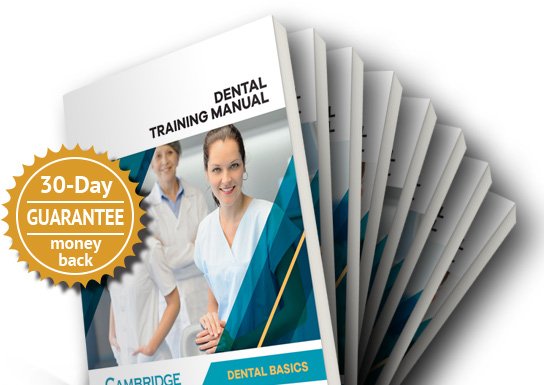
Unlock the Power of Dental Practice Management
Comprehensive Dental Office Manuals!
Discover the Ultimate Dental Office Management Solution with Our Thirty-Day Money-Back Google Verified Guarantee!
Are you tired of managing your dental office with outdated methods and manual processes? Look no further! Our #1 Dental Office Manager Manual is here to revolutionize the way you run your business. With instant download and unlimited copies, you'll have access to the tools and resources you need to streamline your operations and improve patient satisfaction.
We stand behind the quality of our manual with a Thirty-Day Money-Back Google Verified Guarantee. If you're not completely satisfied with your purchase, simply return it for a full refund. No questions asked.
With thousands of satisfied users, our manual has been proven to deliver results. Our comprehensive guide covers all the essential topics, including patient management, appointment scheduling, insurance billing, and more. Whether you're a seasoned dental office manager or just starting out, our manual is the perfect resource to help you take your operations to the next level.
Don't wait any longer to take control of your dental office. Order now and join the ranks of thousands of successful dental office managers who trust our manual for their business needs.
50% Off Now!